2019. 18 OCT. THE TEMPLE VALLEY
18 Οκτωβρίου 2019 · ΑΝΑΚΟΙΝΩΣΕΙΣ
THE VALE OF TEMPI
Geography:
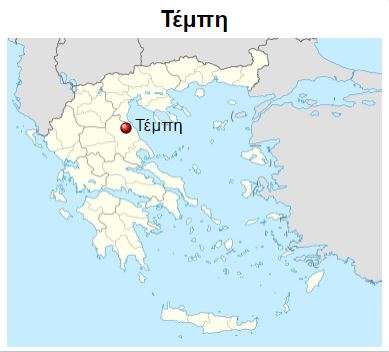
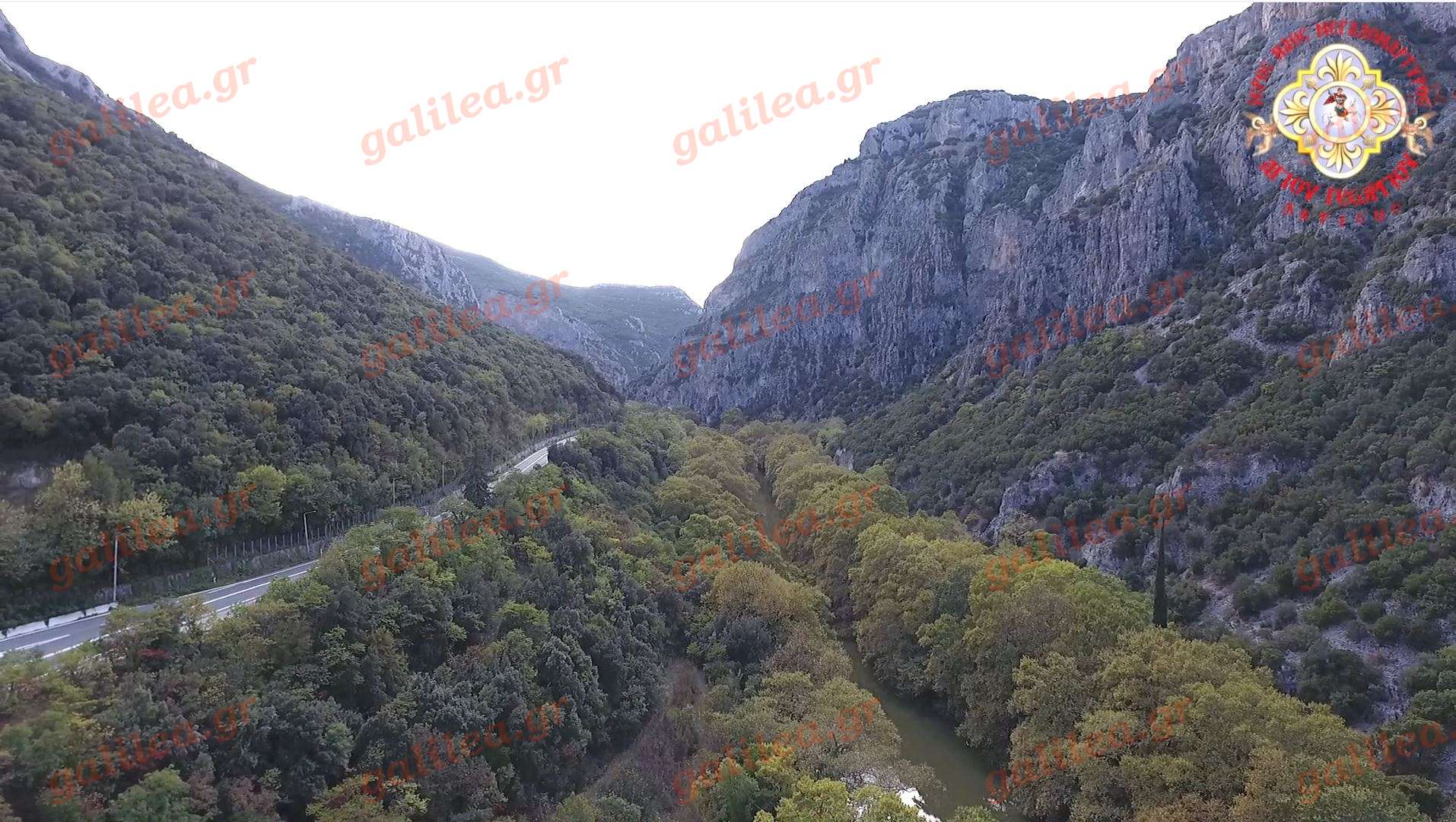
Tempi, or the Vale of Tempi, is a beautiful valley in Greece formed between Mount Olympus and Mount Ossa (Kissavos). The valley is 10 kilometres long, and at its narrowest point forms a gorge 25 metres wide and approximately 500 metres deep. The River Pineios flows through it and then empties into the Aegean Sea, forming its delta in the area of Stomio and Alexandrini in the prefecture of Larissa, a place of great biodiversity and ecological value. The Vale of Tempi is a place of unique natural beauty with many natural springs, such as the “Spring of Daphne”, known since antiquity and situated near the southern exit of Tempi. It provides a refuge for rare birds—waders and birds of prey, 225 species including cormorants, herons and flamingos—while water-loving trees, such as planes, poplars and willows, growing out of the river's waters, and plane-tree forests with rare flowers on the rocks, make up the landscape.
Historical background:
Ancient writers agree that Tempi (from temno, “to cut”) was created by a terrible earthquake that separated the mountains and caused the draining of the water of the lake that covered the Thessalian plain. Historically, the name of Tempi has been preserved from antiquity. The greatest geographer of antiquity, Strabo, the poet Ovid in his “Metamorphoses”, Virgil, the lyric poet Horace, the epic poet Lucan, Pliny, Seneca and so many others vie in descriptive outbursts to emphasise its beauty.
A host of Latin writers, poets and historians spoke in various works about the Vale of Tempi, describing it with a multitude of adjectives, such as deeply shaded, verdant, idyllic, forest-covered and others. From the Latin writer Claudius Aelianus, in the early 3rd century AD, we perhaps draw the best description of the natural grandeur of Tempi: “Tempi is a region situated between Olympus and Ossa, mountains of towering height… In the midst flows the Pineios with its many tributaries, which contribute to the swelling of its waters. This region offers numerous places for repose, which nature herself has taken care to shape, without art contributing essentially. Ivy with its luxuriant tendrils grows here in abundance and winds around the tall trunks of the trees, just as brambles grow luxuriantly on the mountain summit, covering the entire surface of the rocks”. During the period of Ottoman rule, Tempi was also called Babá. By the same name was referred the small village at the entrance of the valley, which is now called Tempi.
The Dutch painter and cartographer Abraham Ortelius wrote in 1595: “In Tempi nature has scattered all her gifts with lavishness: mountain masses, slopes, cliffs, sparkling and cool streams, which gush from the rocky hollows, a varied flora with countless shades of green, towering and age-old trees, and in the midst a mythical river, which flows its murky waters calmly, quietly and unceasingly”.
Tempi constitutes the main passage from Macedonia to Thessaly; for this reason the region had great geostrategic importance from antiquity for the passage of armies from Macedonia to Southern Greece, as, due to its narrowness, it could be controlled very easily. Historians describe with great emphasis the efforts of armies to cross it without losses from defending opponents. From the Persians and the Romans, up to the Germans who reached Tempi on 16 April 1941, the Vale of Tempi was a difficult undertaking, requiring good knowledge of the terrain and a wise strategy.
Shrine of Saint Paraskevi:
Built into the rock on the Olympus side of the valley is the little Church of Saint Paraskevi. It is one of Greece's most important pilgrimage sites, visited by thousands of faithful throughout the year. The church was built in 1921 by railway workers in response to Saint Paraskevi's miraculous intervention: a large rock broke away from Olympus and, instead of striking a passing train, changed course and fell into the River Pineios. A short distance from the church, a holy spring flows inside a small cave. Until 1960, access to the church was by boat across the Pineios. Today it is reached by a suspension footbridge, which also offers a beautiful view of the Vale of Tempi. The shrine celebrates its annual feast on 26 July, the feast of the Holy Great Martyr Paraskevi, and belongs to the Holy Metropolis of Larissa and Tyrnavos.
Today, the railway line and the old Athens–Thessaloniki national road pass through the area. On 6 April 2017, two tunnels were inaugurated, one of them the longest road tunnel in Greece and the Balkans. The tunnels were built through Mount Kissavos, and the new Athens–Thessaloniki national road now passes through them, bypassing the Vale of Tempe.
Sources:
https://el.wikipedia.org/wiki/%CE%9A%CE%BF%CE%B9%CE%BB%CE%AC%CE%B4%CE%B1_%CF%84%CF%89%CE%BD_%CE%A4%CE%B5%CE%BC%CF%80%CF%8E%CE%BD
http://greekworldhistory.blogspot.com/2015/10/blog-post.html